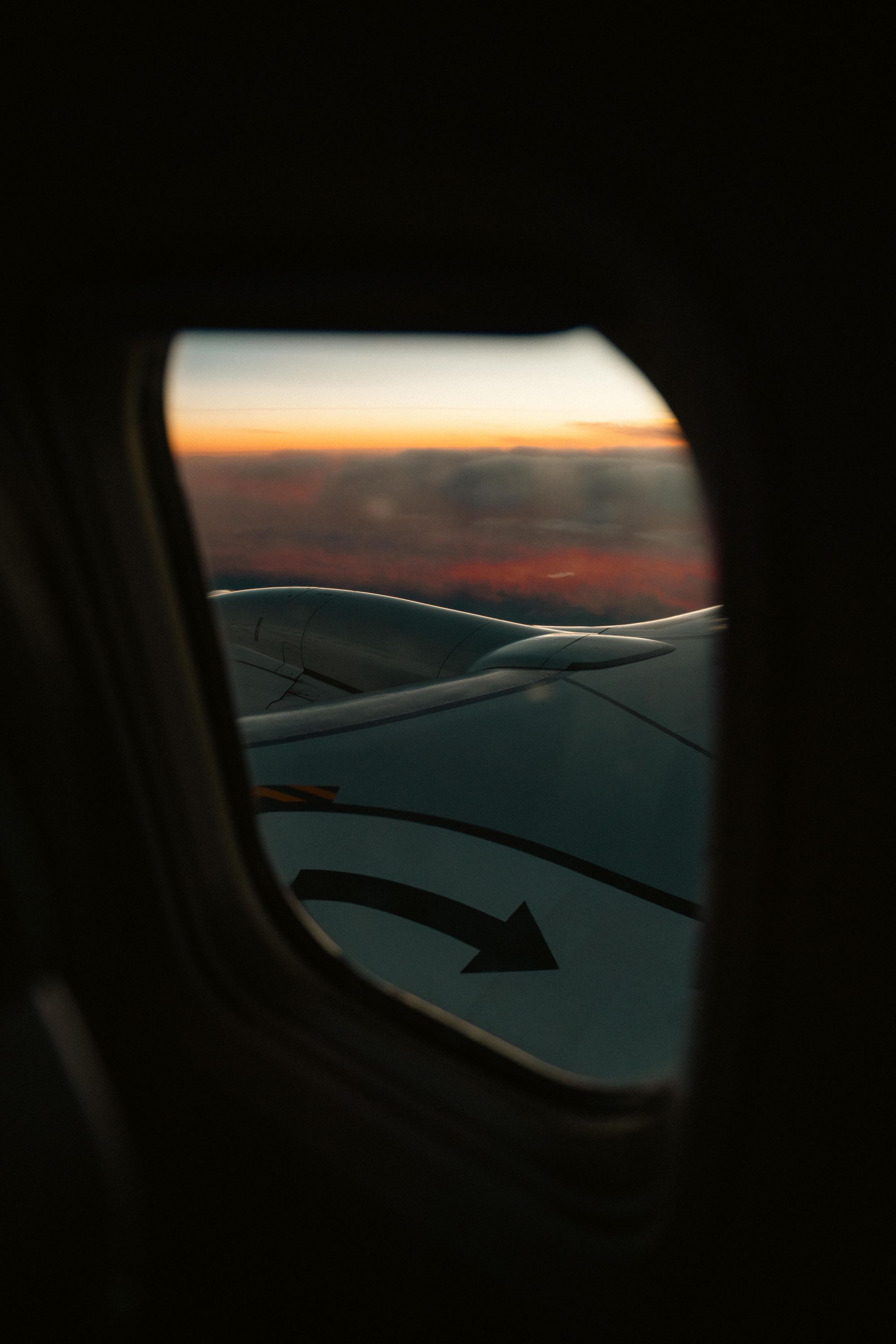
Almost every American family’s ibogaine story follows the same map. Because ibogaine is a Schedule I substance in the United States and can’t be legally administered here, treatment happens abroad, most often at a clinic in Mexico. Your loved one flies south, does the work, stays a few days, and then flies home.
And that flight home is the part almost no one plans for.
The gap no one warns you about
Here’s the pattern we see again and again. A reputable Mexican clinic does exactly what it’s meant to do: careful screening, a supervised session, a short recovery stay. Then, often within days, your loved one boards a plane and steps off it straight back into their old city, their old apartment, their old routines, their old triggers.
The medicine’s window is still wide open. The nervous system is still tender. And suddenly all the structure and supervision is a thousand miles away.
The treatment ends in Mexico. The transition home is where the real risk, and the real opportunity, lives.
This abrupt handoff, from an intensive container to ordinary life with nothing waiting to catch them, is where a great deal of hard-won progress quietly slips away. Not because the treatment failed. Because nothing was built for the landing.
Why the return is so fragile
Three things collide the moment someone lands back home:
- The window is still open. The period of heightened openness and reduced craving lasts weeks, but it’s most decisive in the first 30 to 90 days, exactly when most people are least supported.
- Old surroundings pull hard. Environment shapes behavior. Returning to the same rooms and relationships that held the old pattern makes old grooves easy to fall back into.
- The support disappeared at the border. The clinic’s care ends when the stay does. Without something stateside to step in, there’s a vacuum right when structure matters most.
What a good landing looks like
The families who see lasting change tend to plan the return before the flight home, not after. A strong landing usually includes:
- A stable, calm environment to come home to, ideally not straight back into the highest-trigger setting.
- Structured integration support during the open window: coaching, community, routine, and grounded daily rhythm.
- Time. The window doesn’t close overnight, but it does close. Using it well beats scrambling later.
Sometimes that means arranging a period in a dedicated aftercare setting before returning to normal life. Sometimes it means building strong support around the home they’re returning to. Either way, the key is that something intentional is waiting on this side of the border.
A place to land in the U.S.
This is precisely the gap Casa da Nova Vida was made to fill. We’re a sanctuary for healing and integration in the Texas Hill Country, for people coming home from ibogaine and plant-medicine treatment abroad.
We don’t administer ibogaine or provide medical treatment. What we offer is the thing the flight home so often lacks: a grounded, human place to land, and the aftercare that turns a treatment in Mexico into a lasting new life back home.
If your loved one is heading to Mexico, or is already on their way back, the best time to plan the landing is now. We’d be honored to help you think it through.
Common questions